




How Difficult Is it To Climb Mount Kilimanjaro
How Difficult Is It To Climb Mount Kilimanjaro?
How Difficult Is It to Climb Mount Kilimanjaro?
Climbing Mount Kilimanjaro is a dream for many and rightly so. It’s not only Africa’s tallest peak but also one of the most iconic trekking destinations in the world. But how difficult is it? At Landside Adventures, we believe the answer depends on several key factors. And if you’re planning your journey, this guide will break down each one to help you make an informed and safe decision. We’ve also included trusted links from our friends at Hike Kilimanjaro Ltd to help you plan smarter.
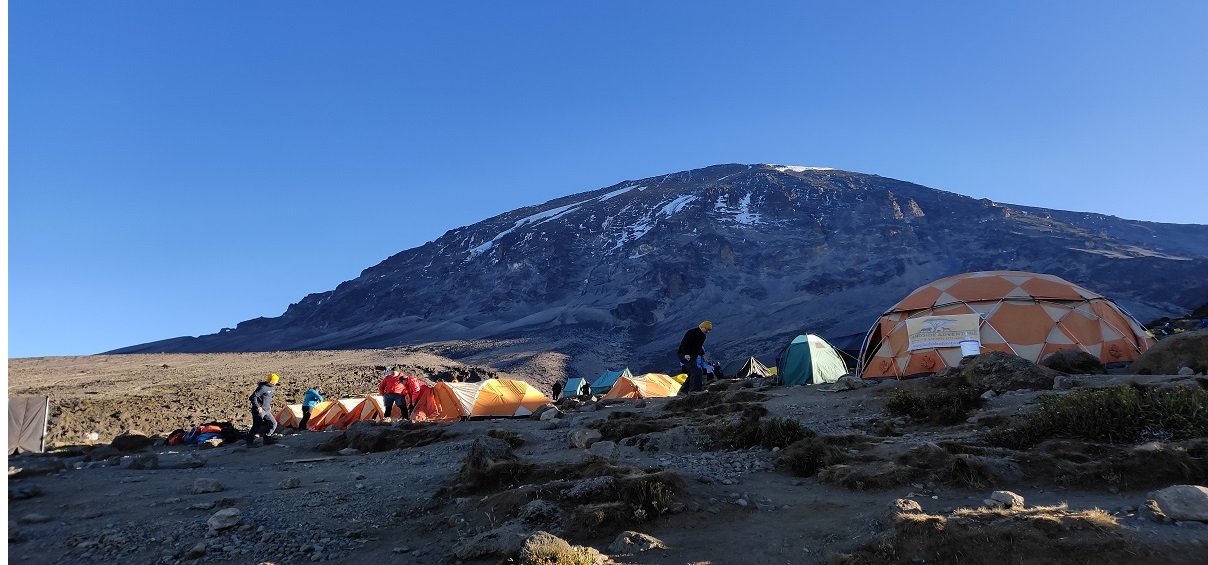
One of the biggest challenges when climbing Kilimanjaro is altitude. As you ascend, oxygen levels drop drastically. The summit of Kilimanjaro, Uhuru Peak, sits at 5,895m (19,341 ft) well into what’s considered the “death zone” (above 5,500m), where the human body can no longer acclimatize.
The goal is to help your body adapt by generating more red blood cells to carry oxygen efficiently. And this takes more time than many people allow.
Sadly, the overall Kilimanjaro summit success rate is only around 42%, mainly because climbers choose shorter routes that offer insufficient acclimatization. The takeaway? The more days you spend on the mountain, the better your chances.
For optimal safety and success, we recommend at least an 8-day itinerary, like the Lemosho Route offered by Hike Kilimanjaro Ltd.
Aside from altitude, the physical demands of Kilimanjaro are nothing to underestimate. You’ll be walking uphill and downhill for 6–9 hours per day, with summit night being the most intense:
Ascent to summit: 1,295m (4,248 ft) gain
Descent to Mweka Camp: 2,795m (9,169 ft) loss in elevation in a single day
Training is key. We recommend:
4–5 days of training per week
Include at least one long hike with a weighted backpack (start with 5kg/11lbs and build up to 10kg/22lbs)
Gym-based endurance sessions: treadmill incline walks, stair climber, cycling minimum 1-hour sessions
This will build the leg strength, endurance, and resilience you need to safely complete the trek.
Start your preparation early and check out the Kilimanjaro fitness guide from Hike Kilimanjaro Ltd.
Altitude trekking is not just a physical game it’s a mental one too. Confidence, preparation, and respect for the mountain are crucial.
By arriving well-trained, informed, and in a positive mindset, you’ll be better equipped to handle the challenges and enjoy the journey.
When you book with Landside Adventures, you’re not just getting a tour; you’re gaining access to experienced support. Our team, including Keddy, who has summited Kilimanjaro over 300 times, is here to help you every step of the way.
We’ve guided over 2,000 climbers to the summit, and our 8-day Lemosho Route has an incredible 98% success rate. Whether it’s expert advice, top-notch gear, or professional guides, we’ve got you covered.
Learn more about our approach at Landside Adventures or explore the Marangu, Machame, and Northern Circuit routes via Hike Kilimanjaro Ltd.
How difficult is it to climb Mount Kilimanjaro? The truth: it’s as difficult as you make it.
Choosing a short 5- or 6-day route?
Skipping training?
Underestimating altitude?
All of these can make your journey harder and less safe. But with the right itinerary, training, team, and mindset, Kilimanjaro becomes not only achievable but one of the most rewarding experiences of your life.
Take your time. Train right. Trek smart.
Ready to take the first step? Join us at Landside Adventures or start planning with Hike Kilimanjaro Ltd.
info@landsideadventures.com
+255 752 633 454
+255 692 406 444
info@landsideadventures.com
+255 752 633 454
+255 692 406 444
info@landsideadventures.com
+255 752 633 454
+255 784 971 777